
"Feminism and Health
About us
What is it?
A series of meetings to be held in France, Ouagadougou and Dakar, with guests from different countries and backgrounds, and multidisciplinary points of view.
With whom?
With you, health and/or development professionals, journalists, students... to reflect on the issues raised by a personality.
Why?
The aim is to better understand the many feminist contributions to health, and to discuss the implications for practices and policies in different geographical areas.
TO ANSWER TO WHICH QUESTIONS?
The list is long, and others will come to us in the course of our discussions, but here are just a few of the ones that motivate us.
In concrete terms: Are women treated in the same way as men in doctors' surgeries and hospitals? Are the drugs they take adapted to their specific needs? Are their suffering and their words taken into account as they should be? How do medical representations of women's bodies condition the way in which their sexual and reproductive lives are managed? How do gender relations influence other healthcare sectors? How do gender relations combine with other determinants, such as social class or race, to influence the course of care? In the medical world, is there resistance to women's choices and rights? What place do women occupy in the provision of healthcare?
More generally: How do feminist perspectives question the way in which the field of healthcare has been constructed? What power relations do they highlight? How can they sketch out alternatives for public responses that are more relevant, more inclusive and more respectful of women in all their diversity? How do these perspectives raise broader questions about the field of healthcare, and the place and role played by the various players within it?


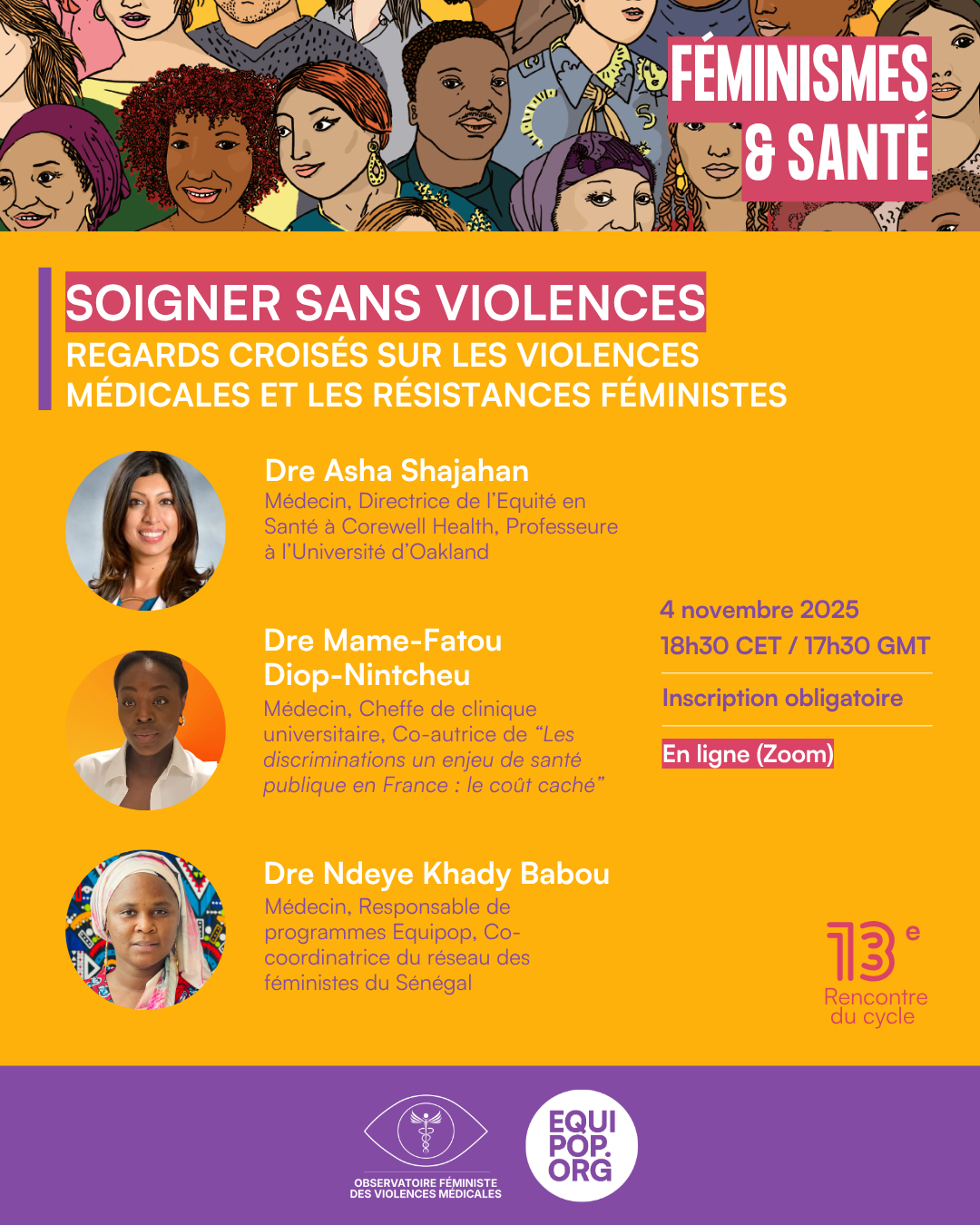
CARING WITHOUT VIOLENCE: MULTIPLE PERSPECTIVES ON MEDICAL VIOLENCE AND FEMINIST RESISTANCE – NOVEMBER 4, 2025 – online – #13
This meeting with the Feminist Observatory on Medical Violence provided an opportunity to explore how valuing activist knowledge, as well as integrating feminist and decolonial approaches, can transform healthcare practices. The challenge is to move beyond a purely technical view of medicine to reveal how the institution crystallizes power relations linked to gender, race, and social class, while offering tools for collective self-defense so that patients can reclaim their agency.
Past conferences

Women, HIV, and Feminist Struggles: Emerging from the Shadows, Regaining Power – June 17, 2025 – Online – #12
This meeting with Charlotte Pezeril provided an opportunity to examine how valuing activist and academic knowledge, as well as integrating feminist approaches, can transform practices and policies. The challenge is to move beyond a reductive biomedical view of HIV to reveal how this epidemic crystallizes power relations linked to gender, race, social class, sexuality, HIV status, but also postcolonial inequalities and migration policies.
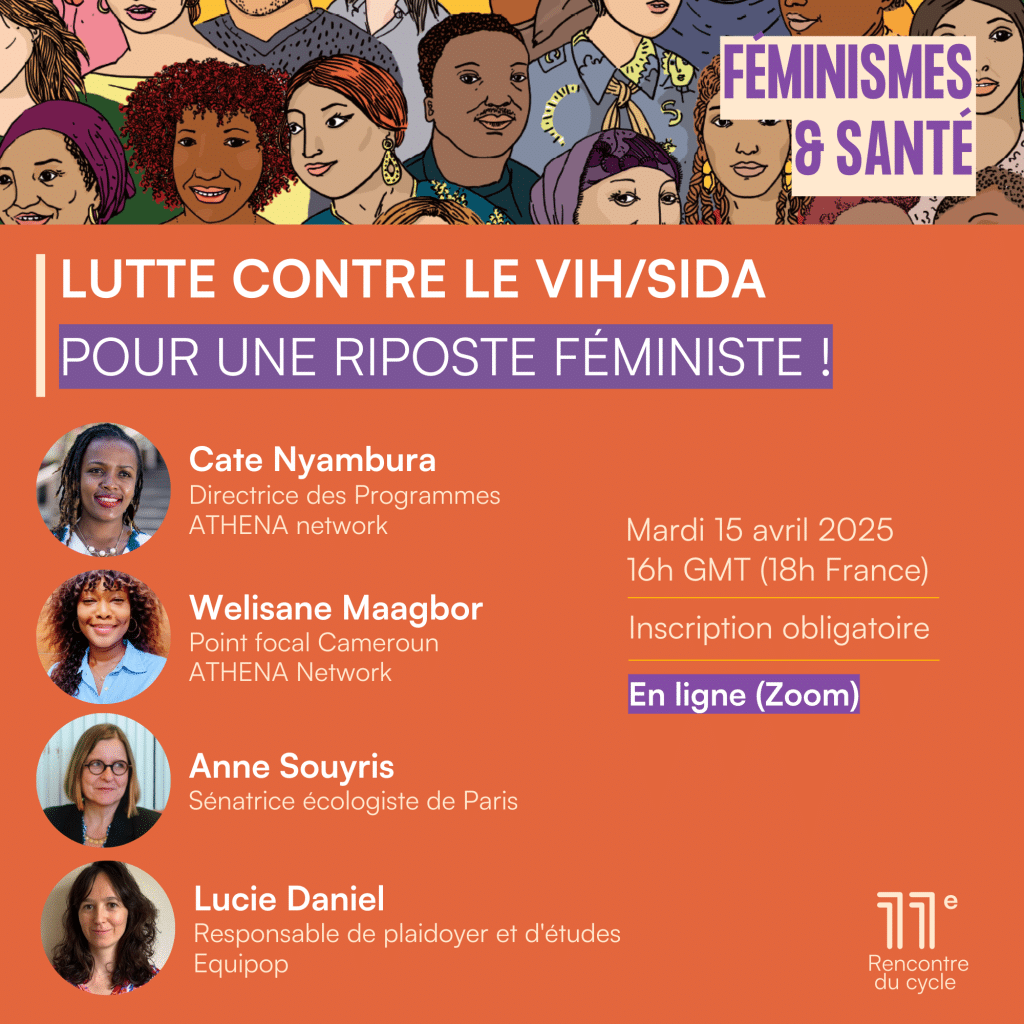
Fighting HIV/AIDS: For a feminist response! - April 15, 2025 - online - #11
At a time when declining development aid worldwide is endangering the lives, sexual and reproductive health and rights of millions of people, there is an urgent need for global support for feminist responses to HIV/AIDS. Faced with this challenge, this conference will bring together the perspectives of global advocacy, field experience and critical analysis of inequalities. With Cate Nyambura and Welisane Maagbor from ATHENA Network, a global network at the forefront of ensuring the centrality of gender equality in the response to HIV, Anne Souyris, Ecologist Senator for Paris , and Lucie Daniel, Advocacy and Studies Manager for Equipop.
Breaking the wall of silence: together against gynecological and obstetrical violence - November 25, 2024 - online - #10
Gynaecological and obstetric violence (GOV) is a public health issue in Senegal, rooted in patriarchal social norms and deep-seated gender inequalities and exacerbated by limited access to quality care. To raise awareness and mobilize around this issue, a webinar was organized on November 25, 2024, as part of the 16 Days of Activism against Gender-Based Violence. Under the theme "Breaking the wall of silence, let's act together", experts, civil society players and survivors discussed the health, social and political dimensions of GBV, calling for a collective response.
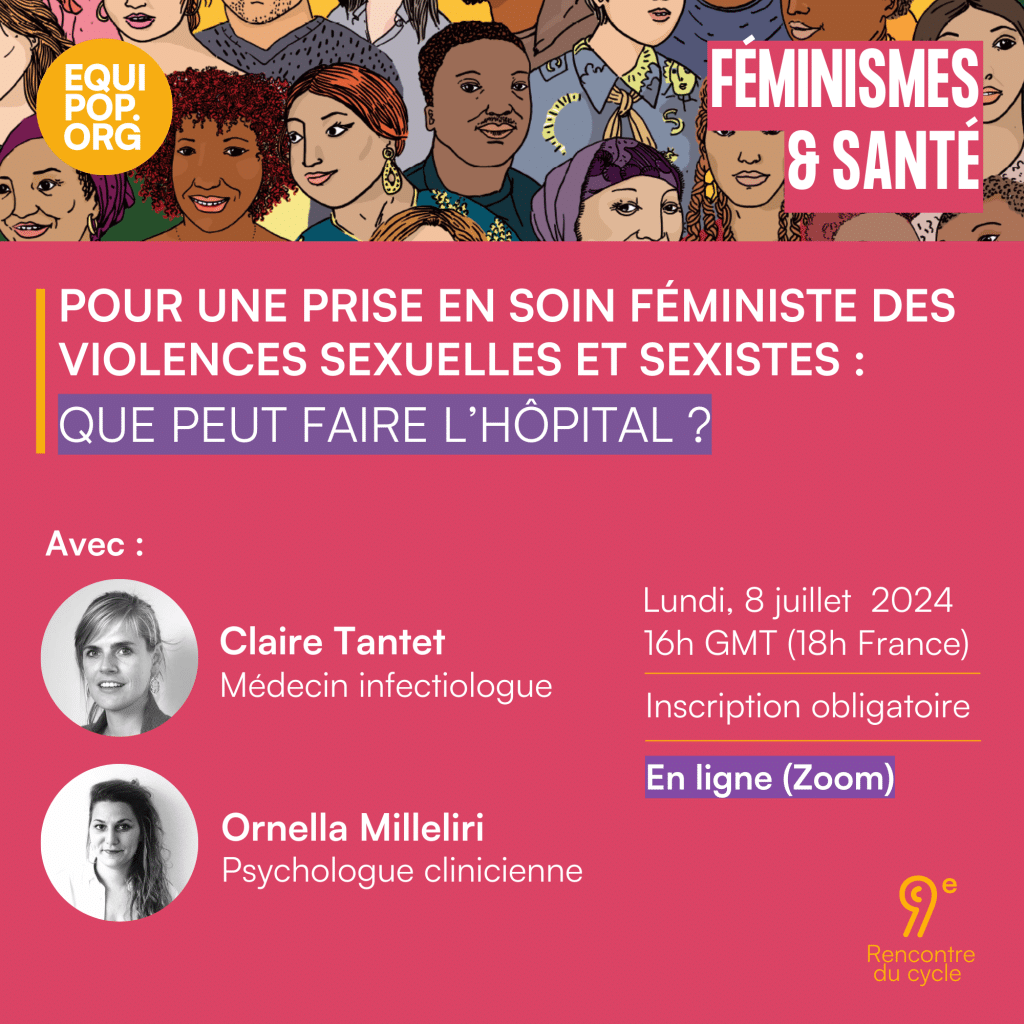
For feminist care of sexual and gender-based violence: what can hospitals do? - July 8, 2024 - online - #9
How can the continuum of violence be taken into account in hospitals? How can we help healthcare practices evolve towards better "care" for patients and healthcare professionals alike? How can we link up with other services to facilitate holistic care? Based on inspiring initiatives such as the Parcours program (Bichat and Avicenne hospitals), Claire Tantet and Ornella Milleliri examine the contribution of a feminist approach to the care of sexist and sexual violence - particularly in the context of migration.
At the intersection of oppressions: how to defend everyone's access to SRHR in the face of anti-rights movements, in hostile contexts? - March 6, 2024 - Cotonou - #8
On March 6, 2024, Equipop organized in Cotonou, as part of the symposium "Un espace à nous entre militantisme et recherche : dialogues sur une approche féministe des DSSR !", the 8th meeting of the Feminisms and Health cycle. With : Khawla Ksiksi, Sadio Ba Gning, Lamyaâ Achary and Emma Onekekou.
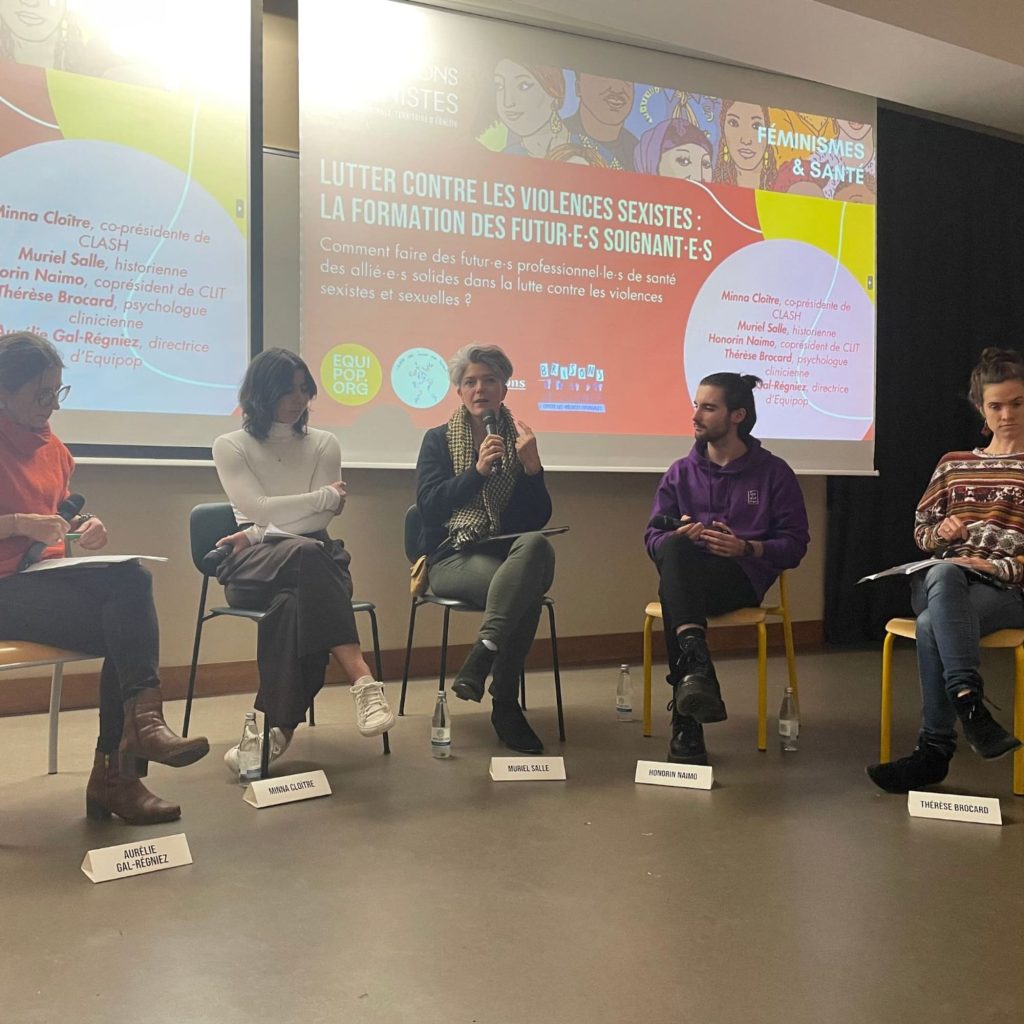
Combating SGBV: training future caregivers - November 14, 2023 - Faculté de médecine de Lyon - #7
A fascinating conference which enabled us, among other things, to revisit the androcentric construction of the medical sciences with Muriel Salle, to learn more about feminist student demands and mobilizations in Lausanne and Lyon with Minna Cloître from CLASH and Honorin Naimo from CLIT, and to recall the basics of a medical posture adapted to identifying and caring for victims of violence with Thérèse Brocard. A meeting organized in partnership with CLIT and FILACTIONS.
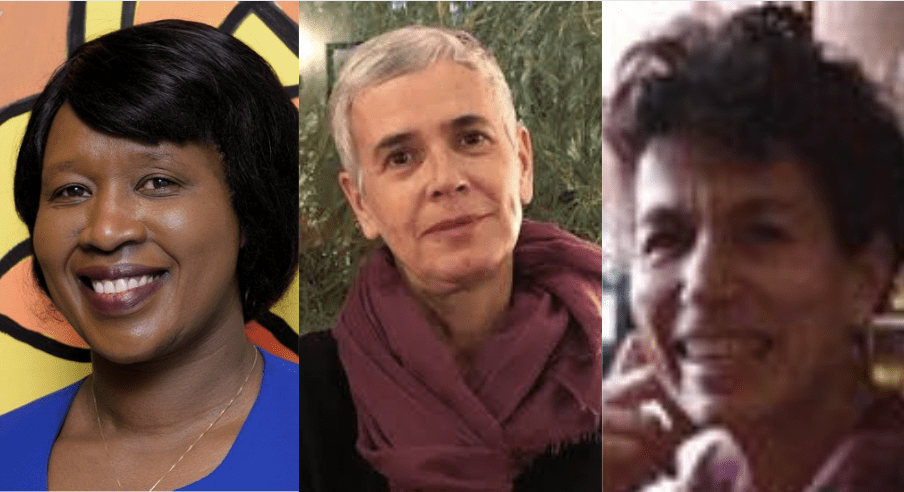
Health, a right for all: really? - March 16, 2023 - Mairie du 13ème, Paris - #6
During this round table, Ilana Löwy, historian of science and director of training at INSERM, Nathalie Bajos, sociologist and demographer, director of research at INSERM, and Bernadette Rwegera, founding director of the Ikambere association, addressed the issue of sexist stereotypes and differential treatment in the field of medical research and treatment.
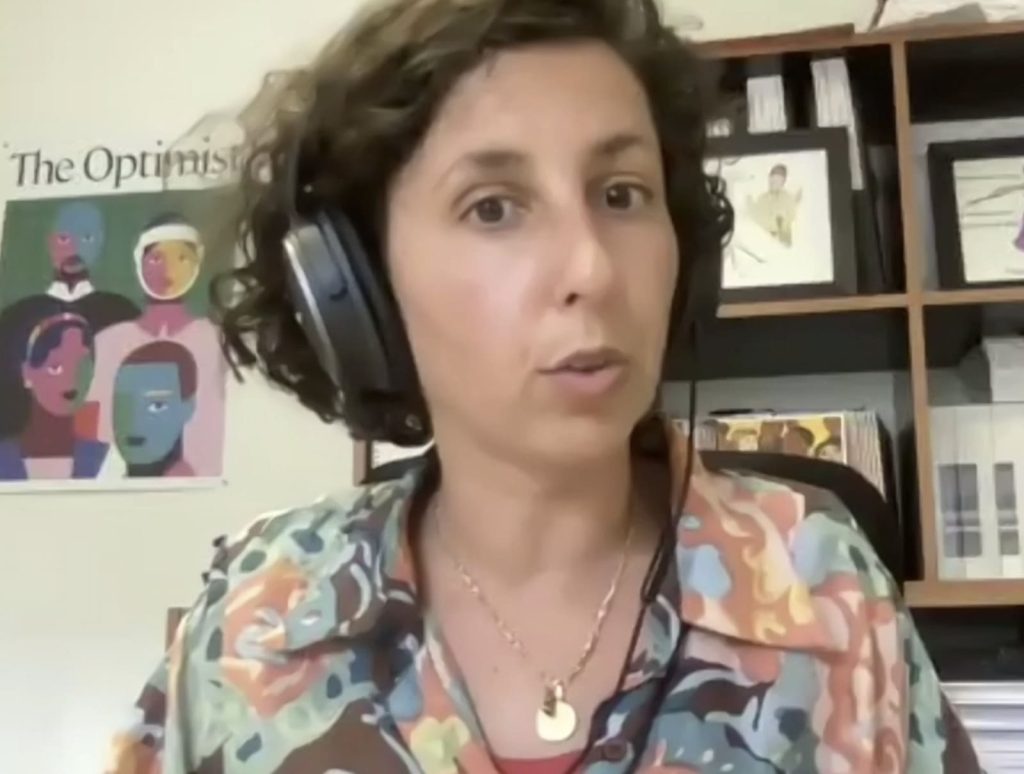
Conversation with Mounia El Kotni - May 4, 2022 - online - #4
With Mounia El Kotni, member of the writing collective for the new edition of the feminist health manual "Our Bodies, Ourselves", we address the following questions: What are the feminist issues involved in reappropriating medical knowledge for women? How is writing a book by and for women organized? What contribution can a feminist anthropology of health make to this process?
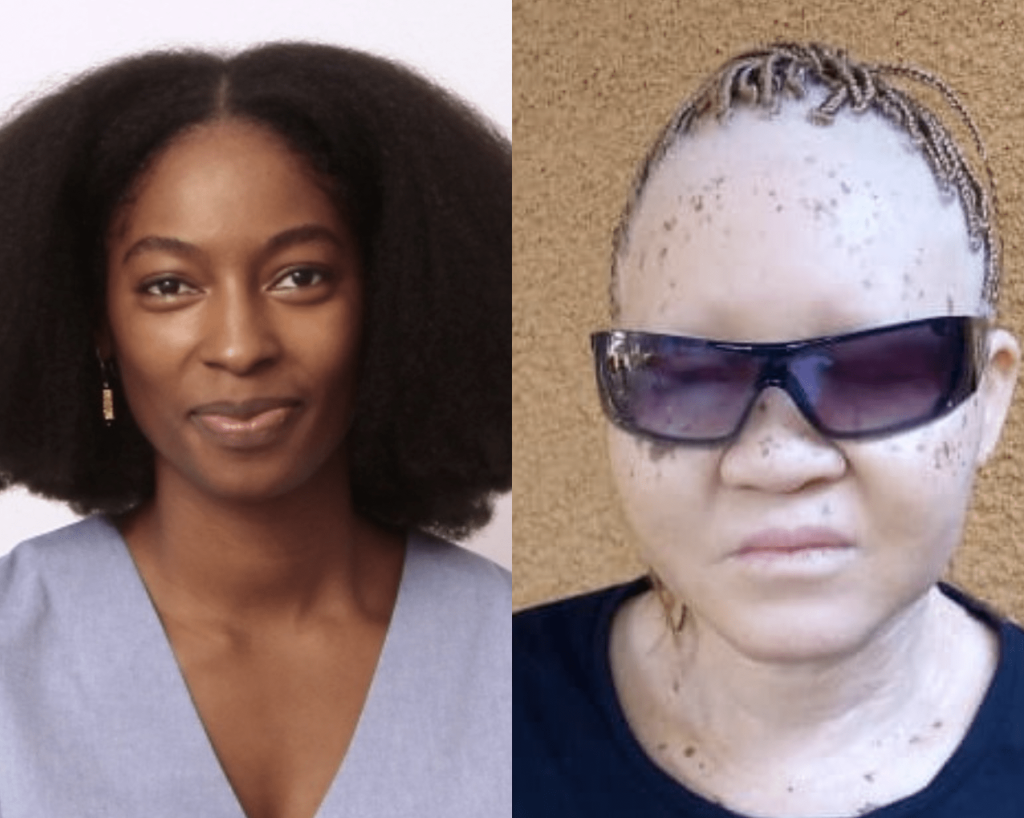
Feminist Conversation on Mental Health - January 19, 2023 - online - #5
With Stella Tiendrebeogo, a feminist psychologist practicing in Paris, and Julienne Zongo, an activist committed to the rights of women and girls suffering from mental illness in Burkina Faso, we explored the issues raised by a feminist approach to mental health, as well as the insights and hopes that feminism represents for better mental health for women and minorities.
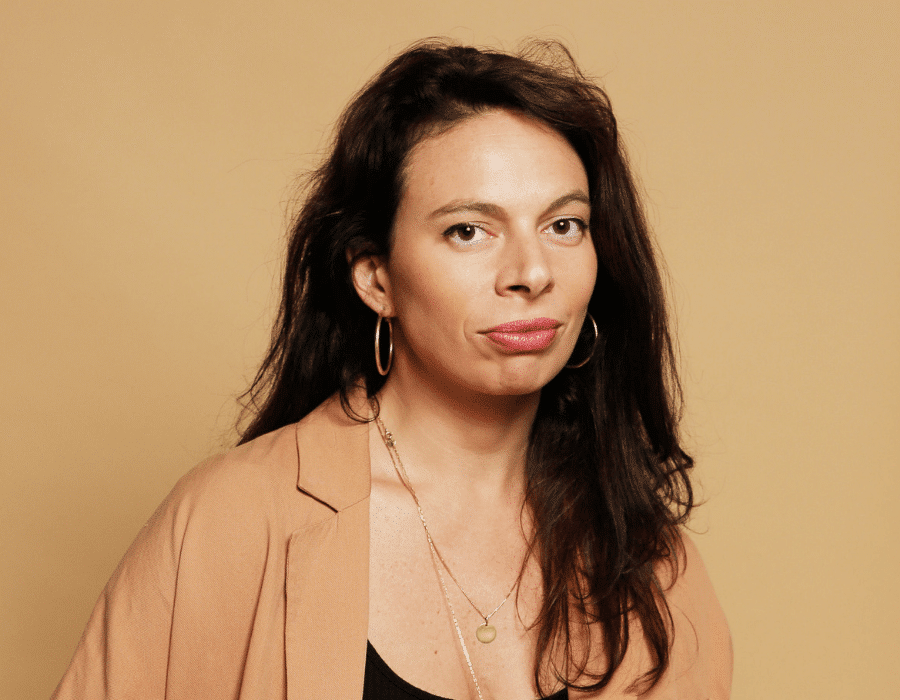
Conversation with Laura Berlingo - February 16, 2022 - online - #3
How can we adopt a feminist approach to the practice of gynecology? How can we better prevent and manage gynecological and obstetric violence? What is feminist sex education? How can women reappropriate medical knowledge?
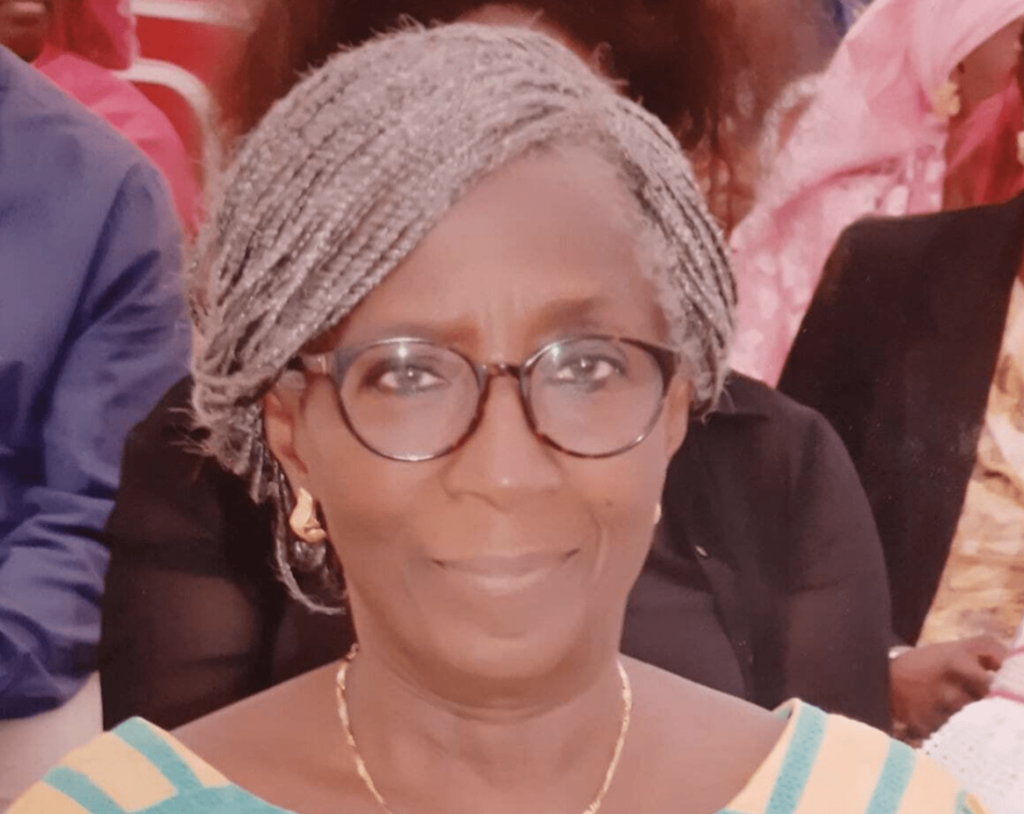
Conversation with Fatou Sow - November 30, 2021 - online - #2
Senegalese feminist sociologist Fatou Sow shares some of her thoughts on the crucial and constantly renewed question: Who owns women's bodies? Using an intersectional feminist approach, Fatou Sow examines the contexts, histories and values that make the female body an object of appropriation, and the impact this has on women's sexual and reproductive health and rights.
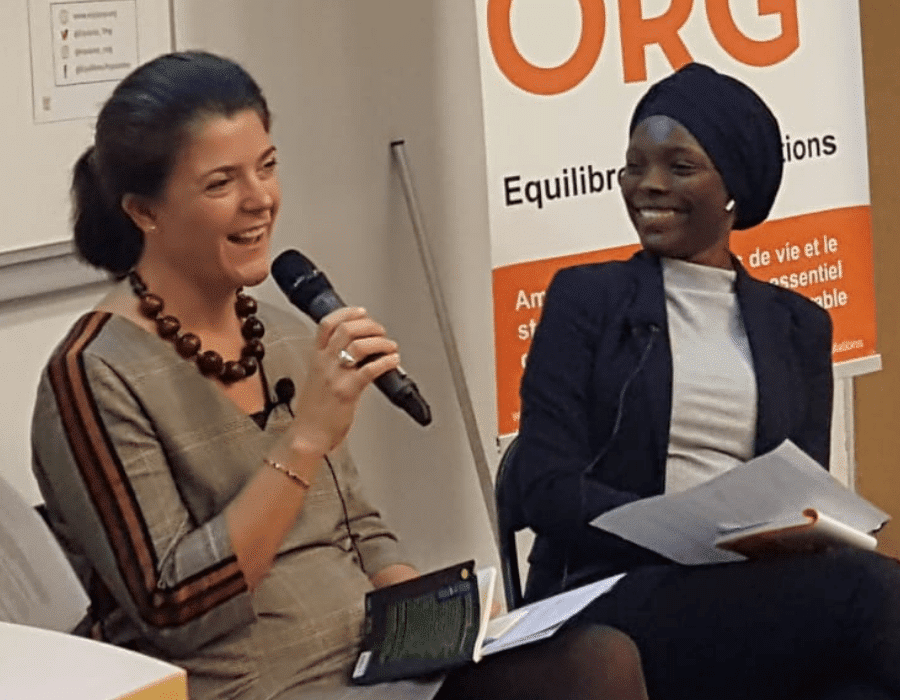
Conversation with Muriel Salle - November 4, 2019 - Paris - #1
When it comes to health, women and men are not on the same footing, not only for biological reasons, but also for social, cultural and economic ones. Stereotypes of a "stronger sex" and a "weaker sex" still permeate mentalities. Gender bias influences medical practice, research, teaching and patient behaviour.