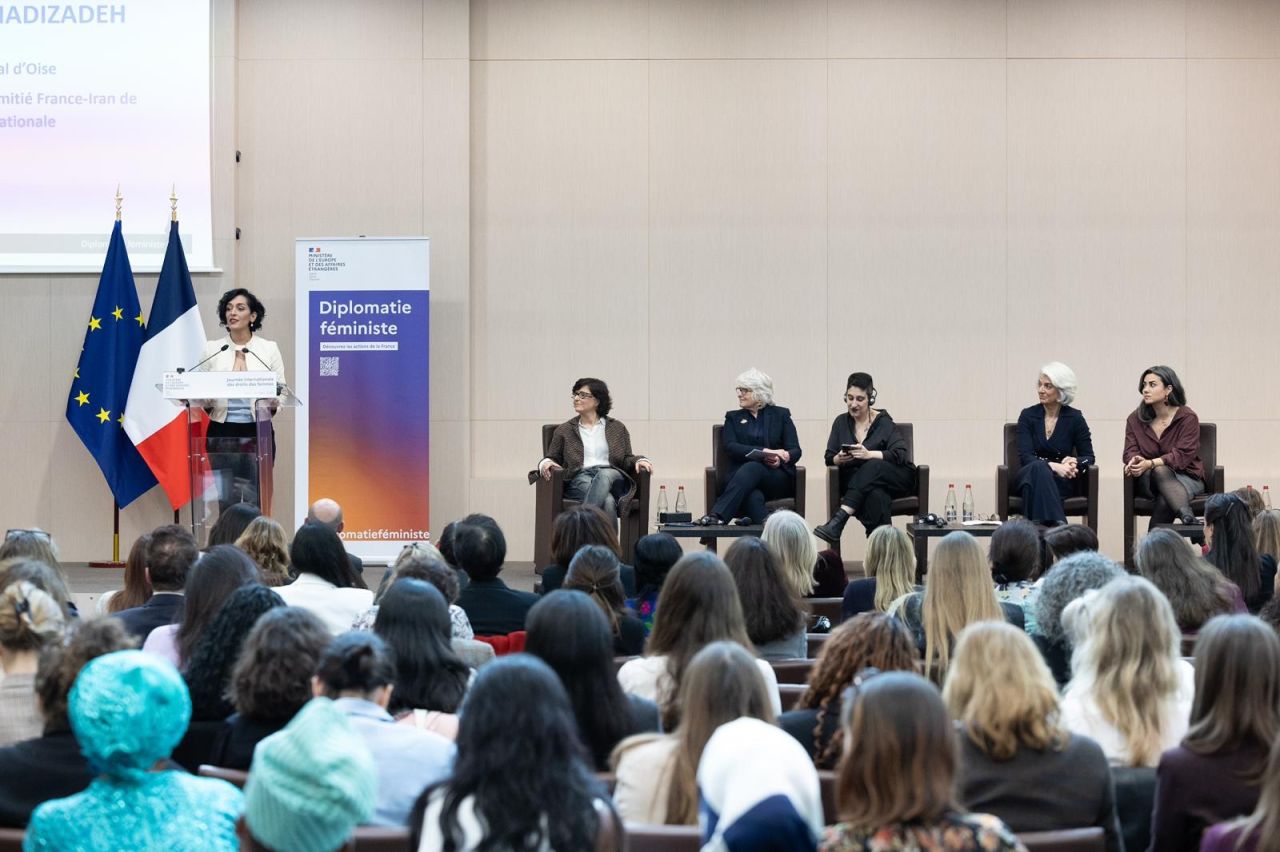
Since Sweden announced the world’s first feminist foreign policy (FFP) in 2014, the momentum has grown, with fifteen countries committing to FFPs by June 2024. Despite this, gender data remains overlooked in many FFP discussions and policies, hindering governments’ abilities to measure progress, ensure accountability, and make informed decisions. Integrating gender data into FFP frameworks is essential for identifying and addressing inequalities and for effective monitoring.
In this latest brief created in collaboration with Data2X and the Walking the Talk program, we highlight the critical role of gender data in the development, implementation, and success of feminist foreign policies (FFPs).
Key Sections of the Brief
- Gender Data is Missing from FFP Policies and Commitments
- Spain Leads the Way in Gender Data for FFP
- Gender Data is Critical for the Success of Any FFP
- Principles of Gender Data for FFP
- Recommendations for Governments
Explore the full report to understand the pivotal role of gender data in advancing feminist foreign policies and to learn how to implement these principles in policy frameworks.

About Data2X Data2X is a civil society organization and gender data alliance, working with partners to improve the production and use of gender data through strategic partnerships, research, advocacy, and communications. About Walking the Talk The Walking the Talk program wants to boost the adoption and implementation of Feminist Foreign Policies (FFPs) and gender equality in Germany, France, the United Kingdom, the Netherlands, and the European Union. In other words, inclusive foreign policies that champion gender equality and reflect the voices of women and LGBTIQ+ people from the Global South. To achieve this, the program aims to increase Official Development Assistance (ODA) dedicated to gender equality and women’s rights, especially funding for progressive, intersectional feminist organizations in the Global South.